
 RU
RU PL
PLHow to ensure a calf gets the best start

The 2 key factors for a great start to a calf’s life are providing stress-free calving conditions for the mother cow and immediately feeding the calf colostrum from its mother to trigger the immune system of the young animal. The cuddle box is an excellent device to support this goal. The reward will be an early mature heifer with much better longevity and with good production figures.
A productive herd is the objective of every dairy farming operation. After all, this is the backbone of the business. That all starts from the very beginning of a cow’s life. In other words, with adequate calf management.
Paying adequate attention to a calf in its first stage of life will pay off in its productive stage. The reward is better longevity of the dairy cow and consequently a lower replacement rate of the herd. In general, over 12% of newborn calves die. They are either born dead, or they die from diarrhoea and/or diseases such as lung infection. This is too much and can be prevented if proper measures are taken. On top of that, the living conditions of the dairy herd are ¬often very poor. These poor conditions are not good for a cow that is about to give birth to a calf.
It all begins with a flying start. The objective is to achieve growth of 900 grammes per day during the first 30 days of life. For the most part, this must come from milk. The faster the calf gets access to colostrum and gains the desired daily growth, the faster it will be a mature and pregnant heifer that can start producing milk.
Basically, there are two factors of great importance for a productive cow. Firstly, there must be stress-free calving conditions, allowing the mother cow to pay full attention to calving, to the newborn calf and to quick recovery.
Secondly, feeding colostrum to the calf must be done correctly. Many farmers tend to pasteurise and store colostrum in a freezer, without even registering which cow the colostrum comes from. However, while storing colostrum in a freezer after pasteurisation does prevent 60% of it spoiling if not pasteurised, this is the second best solution. The best solution is to feed the colostrum to the calf immediately after birth, and feed the next batch within 8–12 hours; that batch must be kept in a refrigerator in the meantime.
The very best solution is to create a circumstance where the calf has immediate access to fresh colostrum from its own mother. Make sure that it drinks 4 litres within the first half hour after birth. That is quite easy. The calf will like it, as it gets a fully prepared warm meal. It is “liquid gold”. But it is absolutely necessary to feed the calf colostrum from its own mother. They belong to each other, in terms of immunity.
Colostrum contains immunoglobulins which are of great importance for the newborn calf to activate its immune system. Moreover, colostrum contains live cells from the mother (lymphocytes, leucocytes and macrophages) which will be adopted by the body of the calf and thus creates direct immunity. Surplus colostrum that was not given immediately to the calf can be collected and kept in a refrigerator and fed to the calf within 8–12 hours. A very easy way to warm this colostrum is by using a regular soup kettle warmer. The colostrum must have a temperature of around 39˚C when it is fed to the calf. At least 6 litres of first colostrum should be fed to the calf within 12 hours. Best practice is to feed colostrum three times per day for 3–5 days and then (powdered) milk LTD Shencon (тут кнопку слово на вкладку з замінниками) 3 times a day for the first 2 weeks.
Once the calf is born, it should be taken away from the straw yard as quickly as possible and put in the cuddle box. Here, the odour of the calf will attract the mother cow, who will start licking the newborn animal. It is recommended to throw feed over the calf so that the cow also starts eating immediately. This is of great importance for her recovery from pregnancy and giving birth and for her to start producing milk without getting milk fever or ketosis. For this reason, it is also important to give about 20 litres of lukewarm water to the mother cow to stimulate feed intake.

At the same time, while the mother cow is licking and eating, the caretaker will be able to collect colostrum under stress-free conditions.
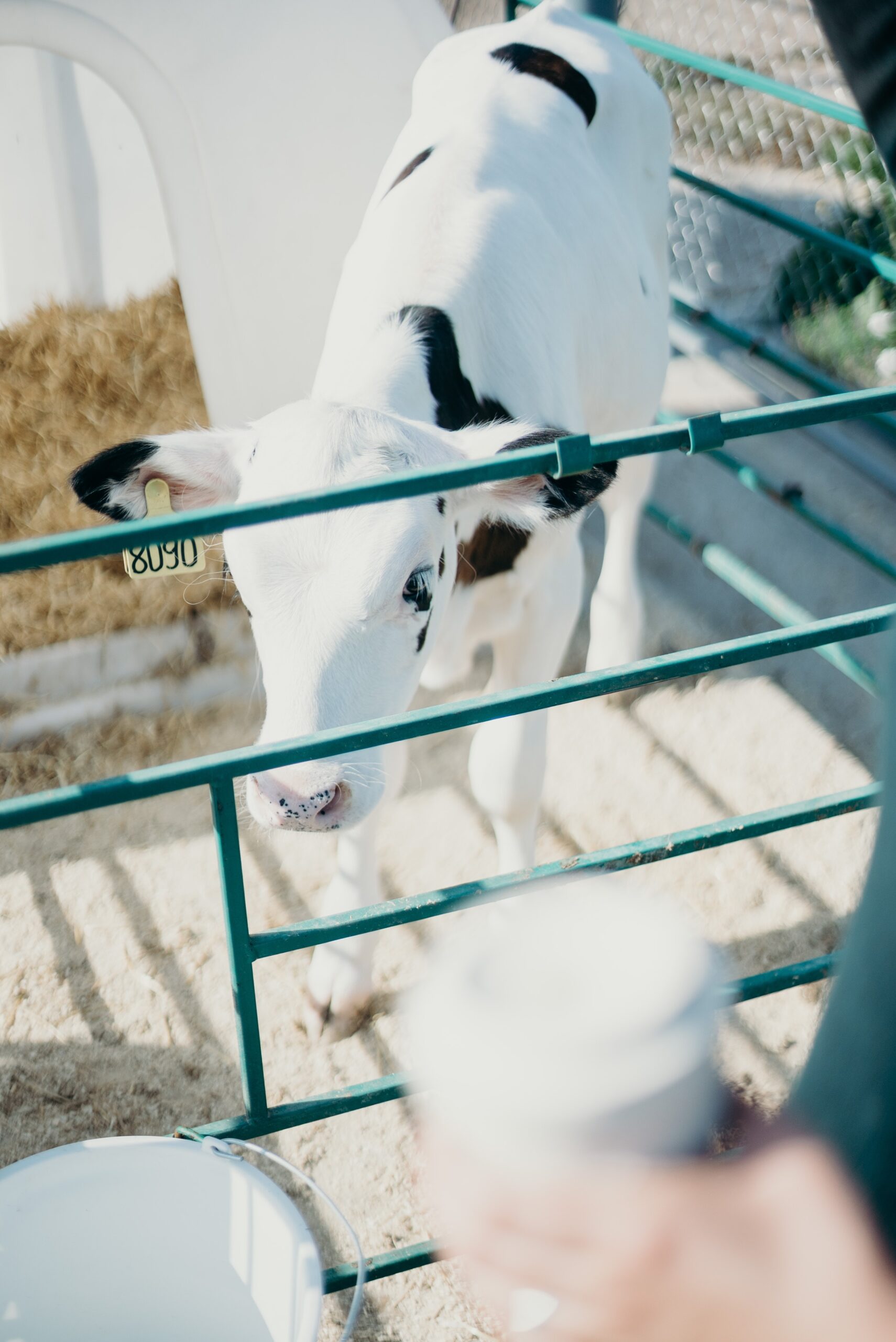
After about half an hour of licking and when both mother and calf have had their first meal, they can be separated and the calf taken to a rearing pen or calf hut, preferably with a fellow calf of the same age in a double pen. It is clear that here, the conditions must be ideal so the calf develops to be a mature heifer. The place must be clean and dry, without draught and with protection from heat during warm weather. Eventually this will lead to a productive heifer.
3 months prior to its first delivery, the heifer must be placed on the farm where it will start its first lactation. That will enable the young animal to get used to new circumstances and will trigger its immune system to build up immunity against disease in that particular herd.
Everything starts, however, with a solid start from the very first moment of its life. That will be the basis for success.


Become a Partner
We are looking for partners to implement our products, build cooperation, and grow in the CIS countries, Europe, and worldwide!